
How Reliable Supply Chains Reduce Manufacturing Downtime
Manufacturing efficiency depends on the timely availability of raw materials, packaging, equipment, labour and transportation.
Even a well-managed production facility can experience downtime when an essential chemical or industrial input is delayed. The effects can extend beyond the factory floor, disrupting customer commitments, increasing operating expenses and placing pressure on procurement teams.
A reliable supply chain helps manufacturers reduce these risks by creating better visibility, flexibility and coordination from sourcing to final delivery.
What Causes Raw-Material-Related Downtime?
Manufacturing interruptions may occur because of:
- Delayed imports.
- Inadequate inventory planning.
- Supplier production problems.
- Transport unavailability.
- Port or shipping disruptions.
- Incorrect product specifications.
- Packaging or handling issues.
- Poor communication between stakeholders.
- Sudden increases in production demand.
These problems become more serious when a manufacturer depends on a single supplier, sourcing region, transport mode or delivery location.
1. Strategic Sourcing Improves Supply Security
Reliable procurement begins with suppliers that understand the manufacturer’s product specifications, consumption pattern, storage capability and delivery schedule.
Strategic sourcing is not limited to finding the lowest quotation. It involves assessing:
- Supplier experience.
- Product availability.
- Import and distribution capabilities.
- Documentation.
- Delivery performance.
- Communication quality.
- Ability to respond during shortages.
A resilient supply network gives manufacturers more options when an individual source or transport route is disrupted.
2. Inventory Planning Prevents Emergency Procurement
Maintaining no inventory can expose manufacturers to immediate stoppages, while excessive inventory increases storage and working-capital requirements.
Effective inventory planning creates a practical balance based on:
- Average consumption.
- Supplier lead time.
- Production forecasts.
- Seasonal demand.
- Market conditions.
- Storage capacity.
- Product shelf life and handling requirements.
Research on supply-chain resilience identifies inventory management as an important part of preparing for and responding to supply disruptions.
3. Regional Warehousing Improves Product Availability
Regional distribution hubs reduce the distance between available stock and the manufacturing facility.
When chemicals are positioned closer to major industrial markets, suppliers can coordinate deliveries more efficiently and respond more quickly to planned or urgent requirements.
Regional warehousing can support:
- Shorter domestic delivery distances.
- Better stock visibility.
- Faster dispatch coordination.
- Reduced dependence on direct port-to-customer movement.
- Improved service for repeat orders.
4. Flexible Packaging Supports Different Consumption Levels
Not every manufacturer requires the same order quantity.
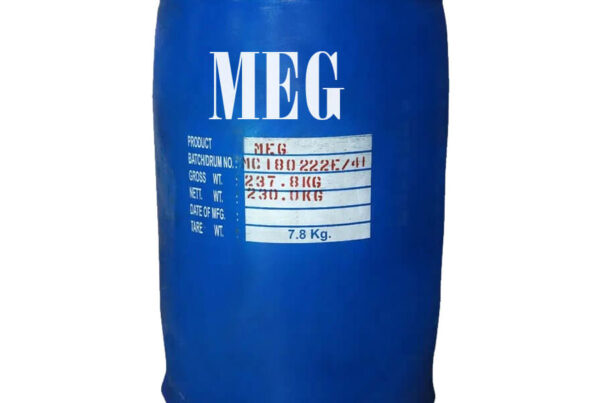
High-volume users may prefer tanker loads to support continuous production, while smaller units or batch-based manufacturers may require drum packaging.
Offering multiple packaging options allows buyers to procure according to:
- Storage-tank capacity.
- Monthly consumption.
- Production batch size.
- Material-handling infrastructure.
- Working-capital planning.
- Delivery accessibility.
Flexible packaging therefore contributes to both operational convenience and procurement efficiency.
5. Strong Logistics Coordination Protects Production Schedules
Chemical distribution involves coordination among importers, ports, warehouses, transporters, storage partners and customers.
A dependable supplier should communicate clearly regarding:
- Product availability.
- Dispatch schedule.
- Vehicle arrangements.
- Expected delivery timeline.
- Packaging details.
- Documentation.
- Delays or route-related issues.
Manufacturers have increasingly focused on balancing supply-chain resilience with efficiency as geopolitical instability and longer transit times continue to affect logistics planning.
6. Product and Documentation Accuracy Prevents Delays
Receiving the wrong grade, quantity or documentation can be almost as disruptive as not receiving the material at all.
Before dispatch, suppliers and customers should confirm:
- Product name and grade.
- Required specifications.
- Ordered quantity.
- Packaging format.
- Delivery address.
- Transport requirements.
- Relevant product and commercial documentation.
Accurate order processing reduces rejection risks and prevents avoidable delays at the customer’s facility.
7. Supply-Chain Visibility Enables Faster Decisions
Procurement and production teams need timely information to make effective decisions.
When buyers know the expected dispatch date, stock position and delivery status, they can adjust production schedules or arrange alternative supply before a shortage becomes critical.
Visibility does not eliminate every disruption, but it gives manufacturers more time to respond.
How Alfa Solvents Supports Supply Continuity
Alfa Solvents supports industrial customers through an integrated sourcing and distribution approach that includes:
- A global chemical import network.
- Strategic access to major ports.
- Regional distribution hubs.
- Bulk tanker-load availability.
- Secure drum packaging.
- Flexible delivery coordination.
- Responsive procurement support.
- Supply coverage across key Indian industrial markets.
Our objective is to help customers maintain dependable access to essential chemicals while reducing procurement uncertainty.
Build a More Dependable Chemical Supply Chain
Manufacturing downtime is costly, but many raw-material interruptions can be reduced through better planning, supplier selection, inventory visibility and logistics coordination.
Partner with Alfa Solvents for reliable industrial chemical supply supported by global sourcing and strong regional distribution.