The global petrochemical industry continues to influence manufacturing, automotive, textiles, packaging, construction, agriculture, paints and numerous downstream sectors. In 2026, manufacturers and procurement teams are operating in an environment shaped by overcapacity, changing trade patterns, feedstock-price uncertainty, geopolitical risks and increasing pressure to build more resilient supply chains. Understanding these developments can help industrial buyers plan purchases, manage inventory and reduce exposure to sudden supply or pricing changes.
1. Demand Recovery Is Uneven
The International Energy Agency forecast that global oil-demand growth would increase in 2026, with a recovery in petrochemical-feedstock demand contributing to that growth. However, the broader chemical industry continues to face uneven demand and excess capacity in several product categories. This means individual petrochemical markets may behave differently. While demand can improve in some downstream sectors, high production capacity may continue to place pressure on operating rates, margins and pricing elsewhere. Manufacturers should therefore evaluate each product individually rather than relying only on broad market movements.
2. Overcapacity Remains a Major Industry Challenge
Additional chemical capacity commissioned over recent years has created oversupply across parts of the global market. Deloitte’s 2026 chemical-industry outlook identifies sluggish demand, overcapacity and heightened uncertainty as important issues influencing business strategy. For buyers, oversupply can sometimes create attractive procurement opportunities. However, it can also lead to: Plant operating-rate reductions. Temporary production shutdowns. Changes in export strategy. Supplier consolidation. Sudden shifts in regional availability. Purchasing decisions should therefore consider both price and long-term supply reliability.
3. Feedstock and Freight Volatility Require Close Monitoring
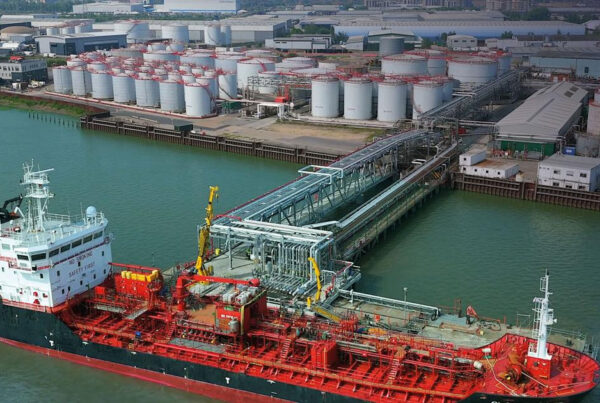
Petrochemical pricing is influenced by crude oil, natural gas, refinery operations, plant utilisation, shipping costs and international trade routes. During 2026, geopolitical disruptions affecting important energy and shipping corridors have demonstrated how quickly freight costs, transit times and product availability can change. Manufacturers dependent on imported raw materials should maintain realistic lead times and avoid relying entirely on last-minute procurement.
4. Global Chemical Trade Patterns Are Changing
China’s growing domestic chemical capacity is changing its position in several international markets. ICIS has highlighted a broader shift in which China is becoming a stronger seller in certain chemical categories, encouraging global exporters to focus more closely on other developing economies. For Indian manufacturers, these changing trade flows may create both opportunities and challenges: Access to a wider range of international suppliers. Increased competition among exporting regions. Greater pricing volatility. Changing import origins and lead times. New opportunities for domestic chemical manufacturing.
5. India’s Chemical Sector Is Expanding Strategically
India’s chemical and petrochemical industry remains an important part of the manufacturing economy. According to the Government of India, the sector contributed approximately 8.1% of manufacturing Gross Value Added in FY2023–24. Government initiatives have also emphasised chemical parks, shared infrastructure, supply-chain diversification, import substitution and stronger integration of Indian manufacturers into global value chains. This creates long-term opportunities for chemical distributors, importers, storage providers and downstream manufacturers.
6. Supply-Chain Resilience Is Becoming a Procurement Priority
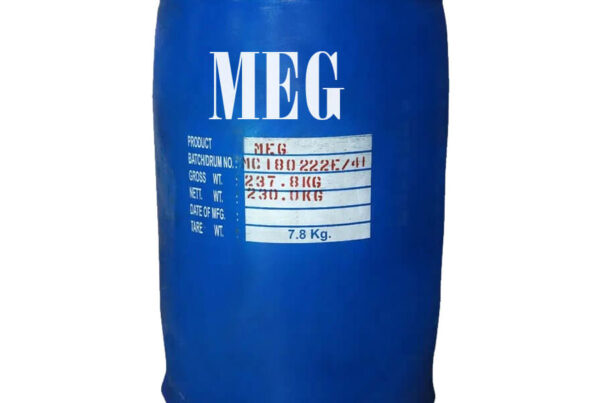
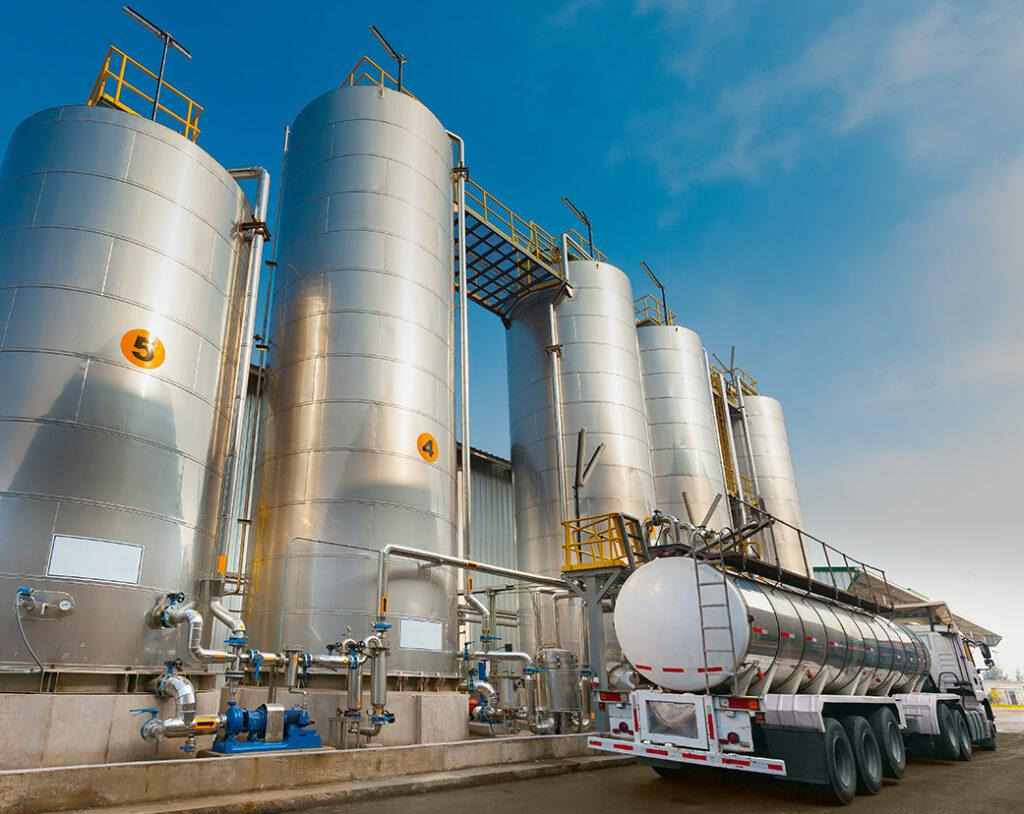
Price remains important, but manufacturers are increasingly evaluating suppliers on additional factors such as: Access to multiple sourcing regions. Import and port connectivity. Regional stock availability. Warehousing infrastructure. Tanker and drum packaging options. Delivery coordination. Communication during disruptions. Deloitte notes that manufacturers are seeking a better balance between supply-chain resilience and operational efficiency rather than focusing exclusively on either cost reduction or excess inventory.
7. Sustainability and Operational Efficiency Are Influencing Decisions
Chemical manufacturers are under increasing pressure to improve energy efficiency, reduce emissions, optimise resource consumption and explore circular or lower-carbon production models. While the pace of transformation differs across markets and chemical categories, environmental performance is becoming more relevant to investment, technology and supplier-selection decisions. Deloitte identifies resilience and long-term transformation as major priorities for chemical companies in 2026.
What Should Industrial Buyers Do?
Manufacturers can prepare for market uncertainty by:
Monitoring feedstock and freight movements. Planning procurement further in advance. Maintaining appropriate safety-stock levels. Working with suppliers offering multiple packaging formats. Reviewing product-origin and lead-time risks. Building relationships with dependable regional distributors. Avoiding procurement decisions based entirely on the lowest immediate price. How Alfa Solvents Supports Industrial Procurement Alfa Solvents connects global petrochemical sourcing with regional distribution capabilities in India. Through strategic port access, bulk tanker-load supply, secure drum packaging and coordinated distribution, we support manufacturers seeking dependable access to essential industrial chemicals.